Ink connection
Where words meet worlds
From Homer’s epics to the mountains of Kurdistan, trace the universal threads of human stories
Ngũgĩ wa Thiong’o (1938– )
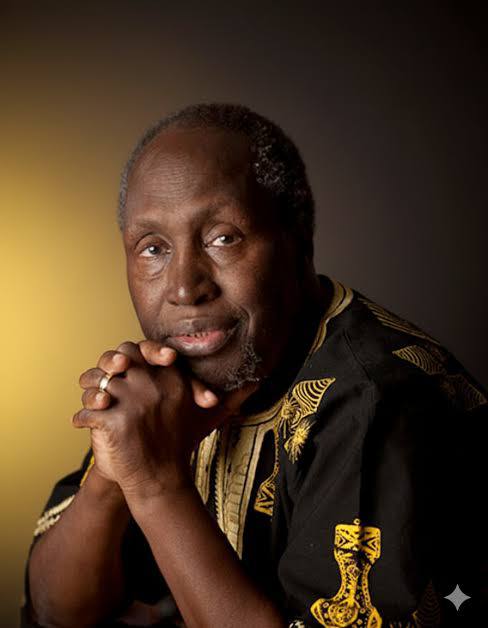
1. Basic Information
Full Name: Ngũgĩ wa Thiong’o
Born: 1938
Region: Kenya
Literary Period: Postcolonial / Contemporary Literature
2. Short Biography
Ngũgĩ wa Thiong’o is one of the most influential writers and theorists of postcolonial literature. He is widely known for his commitment to linguistic decolonization and his decision to write primarily in his native Gikuyu language rather than English. Through novels, plays, and critical essays, Ngũgĩ examines the cultural, political, and psychological consequences of colonialism and advocates for the restoration of indigenous languages and identities.
3. Major Works
Decolonising the Mind – A foundational critical text arguing for the cultural and linguistic liberation of colonized societies.
A Grain of Wheat – A novel exploring resistance, betrayal, and collective struggle during Kenya’s fight for independence.
Petals of Blood – A critique of neocolonial corruption and social inequality.
Devil on the Cross – A novel written originally in Gikuyu, emphasizing linguistic resistance.
4. Stylistic Features
Integration of oral tradition into modern narrative
Politically engaged and ideologically driven writing
Use of indigenous language as cultural resistance
Blending of realism with allegory
5. Major Themes
Colonialism and its aftermath
Language, power, and identity
Cultural alienation and resistance
Collective struggle and liberation
Comparative Note: Sherko Bekas & Ngũgĩ wa Thiong’o
Sherko Bekas and Ngũgĩ wa Thiong’o both conceptualize literature as a form of cultural resistance and a means of preserving marginalized identities. Writing in contexts shaped by political oppression and cultural suppression, each author emphasizes the role of language and artistic expression in sustaining collective memory and national consciousness.
Ngũgĩ foregrounds linguistic decolonization by rejecting colonial languages in favor of indigenous expression, framing language as a central site of political struggle. Sherko Bekas, through modern and experimental poetry, similarly transforms Kurdish language into a space of resistance, freedom, and human dignity. Despite differences in genre and cultural context, both writers assert that literature is not merely aesthetic but a vital instrument of liberation and cultural survival.
William Wordsworth (1770–1850)
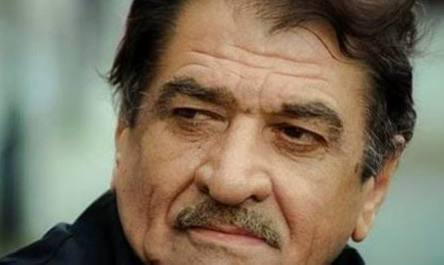
Sherko Bekas (1940–2013)
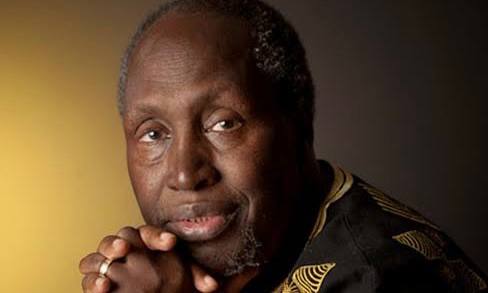
Ngũgĩ wa Thiong’o (1938– )
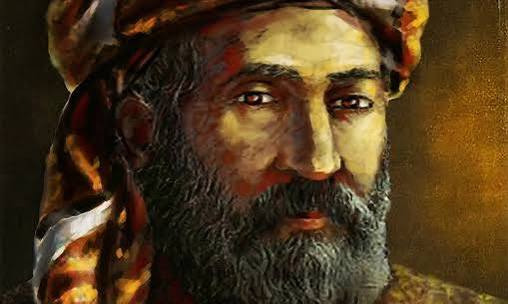
Hacî Qadir Koyî (1817–1897)
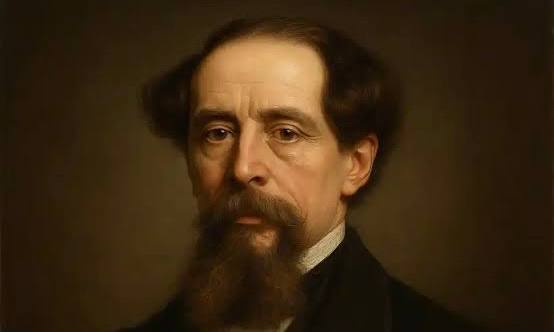
Charles Dickens (1812–1870)
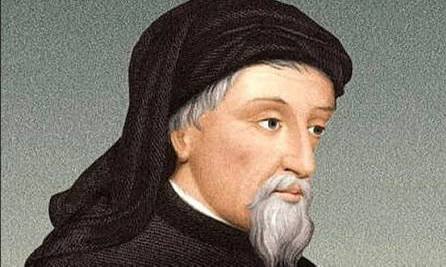
Geoffrey Chaucer (c. 1343–1400)
Ahmad Khani (1650–1707)
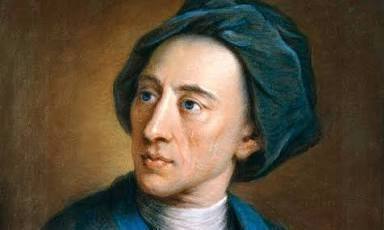
Alexander Pope (1688–1744)
Melayê Cizîrî (1570–1640)
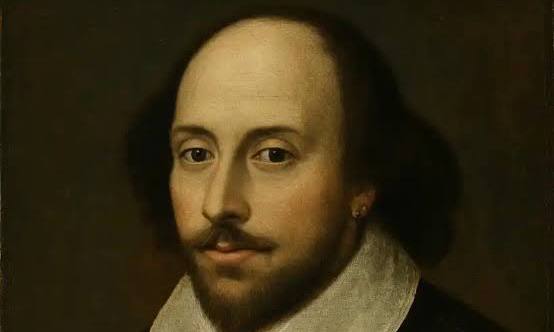
William Shakespeare (1564–1616)
Contact Me
Let's connect! Whether you have a project in mind, a question, or just want to say hello, feel free to reach out. I'm always open to discussing new opportunities and ideas.